The Most Influential Styles, Fabrics, and Features That Defined Chef Apparel This Year
As 2025 comes to a close, it’s clear that the culinary world has undergone major changes — not just in food trends, but in how chefs dress, perform, and represent their craft. This was the year kitchens embraced modern design, technical fabrics, and apparel built for long, demanding shifts.
Here’s a look back at the top chef apparel trends that shaped 2025, and how they’re influencing what culinary professionals will wear moving into 2026.
1. Stretch-Performance Jackets Became the Industry Standard
2025 was officially the year that traditional stiff jackets took a backseat. Chefs overwhelmingly chose jackets featuring:
Built-in stretch
Breathable mesh zones
Moisture-control fabrics
Lightweight, quick-dry materials
Clement Design USA led the way with its DRY-UP® technology, giving chefs unmatched comfort and mobility. Kitchens are faster and hotter than ever — and apparel finally evolved to match.
2. Tailored, Modern Fits Replaced Boxy Cuts
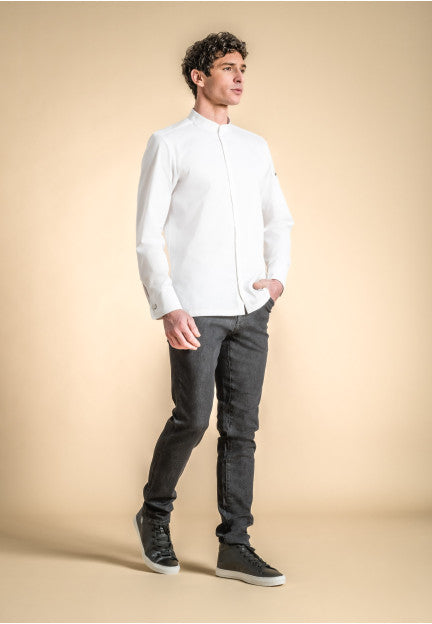
One of the strongest trends of the year was the move toward sleek, European-inspired silhouettes. Chefs across fine dining, hotels, and catering gravitated toward:
Slimmer profiles
Hidden snaps or magnetic closures
Clean, minimal fronts
Structured collars
The result: uniforms that look polished, professional, and intentionally styled — not oversized or utilitarian.
3. Dark, Sophisticated Colors Dominated
While classic white jackets remain iconic, 2025 saw a strong shift toward deeper colors, especially as open kitchens and chef’s counters continue to grow.
This year’s most popular tones included:
Jet black
Deep navy
Charcoal grey
Forest green (an emerging favorite)
These colors offer better stain concealment and a refined, modern aesthetic perfect for restaurants with guest-facing kitchens.
4. Embroidery and Personal Branding Surged
Custom embroidery reached an all-time high in 2025. Chefs want apparel that reflects:
Their personal brand
Culinary accomplishments
Restaurant identity
Uniform professionalism
Clement Design USA’s in-house embroidery department saw increased demand for clean logo placement, name customization, and competition-ready personalization.
5. Premium Aprons Became Essential Gear
Aprons transformed from a basic necessity into a style statement and functional must-have. The most popular apron features this year were:
Heavy-duty canvas and denim
Adjustable cross-back straps
Leather reinforcement accents
Color options aligned with restaurant branding
Professional kitchens swapped low-cost aprons for durable, elevated designs that look good enough for both service and social media.
6. Sustainability Continued to Rise
More chefs and owners prioritized apparel that lasts longer and reduces waste. Durable fabrics, thoughtful sourcing, and longer-life construction were central to uniform decisions in 2025 — especially for multi-location hospitality groups.
7. Full Uniform Sets Became a Go-To for Teams
Restaurants looked for unified, consistent appearances across their kitchen staff. Package sets — combining jackets, pants, aprons, and hats — became a streamlined way to outfit teams quickly with a cohesive look.
This trend also helped restaurants make onboarding faster while maintaining a professional aesthetic.
Why 2025 Was a Pivotal Year for Chef Apparel
The year marked a major evolution in what chefs expect from their uniforms: ✔ Better performance ✔ Better branding ✔ Better comfort ✔ Better aesthetic impact
Chefs today want apparel that works as hard as they do — and brands like Clement Design USA delivered on that expectation with modern French styling and advanced technical construction.
What This Means for 2026
Looking ahead, expect even more focus on:
Enhanced stretch and breathability
Sleek, minimalist designs
Fully personalized uniforms
High-durability materials
Fashion-forward kitchen apparel
The chef jacket is no longer just a uniform — it’s part of a chef’s identity, confidence, and presence both in the kitchen and online.